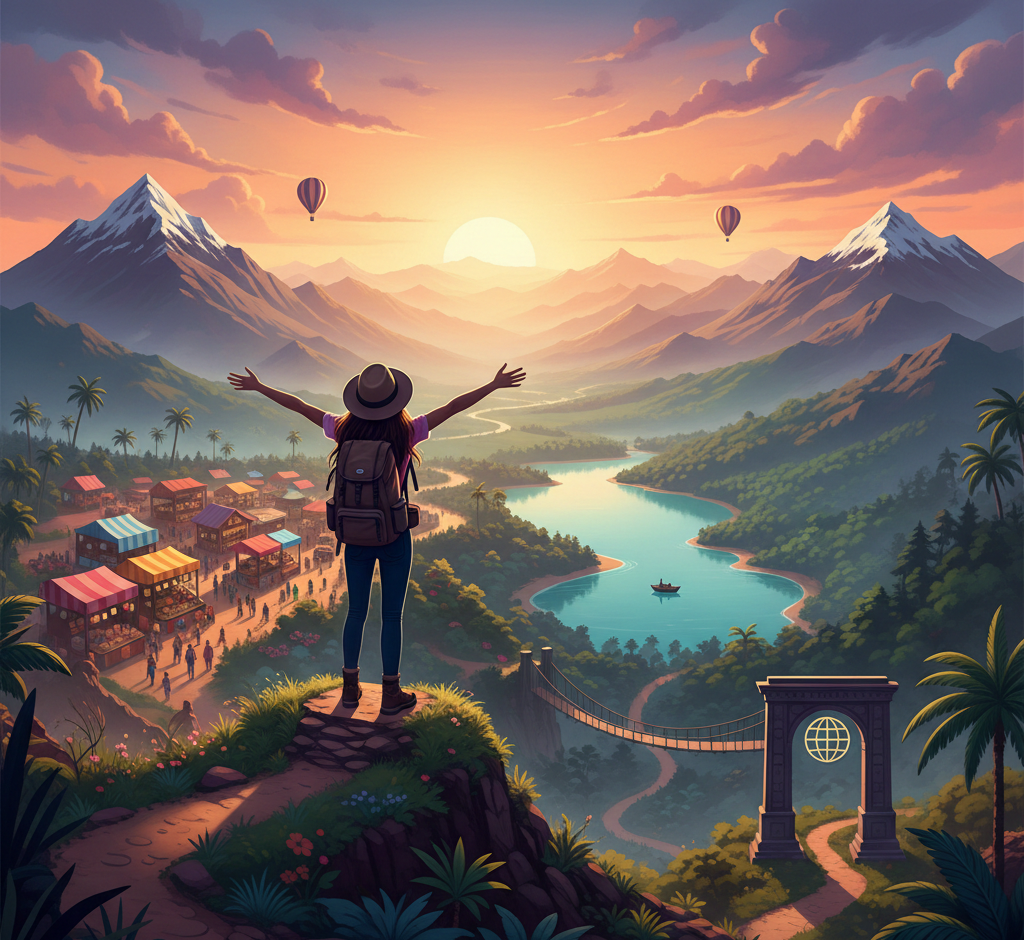
Traveling for the first time feels a lot like standing at the edge of a diving board. You know the water is there. You know millions of people have jumped before you. Yet your mind keeps whispering questions. What if I mess up? What if I get lost? What if something goes wrong?
If you are reading this, chances are you are curious about traveling but don’t quite know where to begin. Maybe you have never stepped out of your city alone. Maybe the idea of airports, bookings, packing lists, and unfamiliar places feels overwhelming. This guide exists for exactly that moment.
This is not a glossy travel brochure telling you that “travel changes your life” without explaining how. This is a practical, honest, beginner-friendly guide that explains how to travel for the first time, step by step, without pressure or perfection. By the end of this guide, you will not just understand travel. You will feel ready for it.
What Does Traveling for the First Time Really Mean?
Traveling for the first time does not look the same for everyone. For some people, it means their first solo trip. For others, it means their first trip outside their hometown. For many, it is their first time navigating bookings, transportation, and unfamiliar places without depending on family or friends.
First-time travel is less about distance and more about independence. It is the moment you step out of your routine and take responsibility for your own movement, safety, time, and choices. That is why it feels intimidating. Suddenly, you are the planner, the navigator, and the decision-maker.
It is important to understand that first-time travel does not need to be extreme or dramatic. You do not need to backpack across countries or take a month-long trip. A short, well-planned journey can teach you everything you need to know. The goal of your first trip is not to prove something. The goal is to learn.
Choosing the Right Destination for Your First Trip
One of the biggest mistakes beginners make is choosing a destination based on social media hype instead of practicality. Your first trip should build confidence, not anxiety.
Domestic vs International Travel for Beginners
For most first-time travelers, domestic travel is the best starting point. Traveling within your own country removes several layers of stress. You already understand the language, currency, food habits, and basic rules. Even if something goes wrong, help feels closer and familiar.
International travel, while exciting, adds complexity. Passports, visas, immigration checks, currency exchange, and cultural differences can feel overwhelming when everything is new. This does not mean international travel is impossible for beginners, but it requires stronger planning and mental readiness.
If you are nervous, start domestic. If you already feel confident and prepared, a nearby international destination can also work.
How to Pick a Beginner-Friendly Destination
A good first destination is not necessarily the most famous one. It is the one that feels manageable. Look for places that are known for safety, good connectivity, and tourist-friendly infrastructure. Choose destinations with reliable public transport, plenty of accommodation options, and clear information online.
Avoid destinations that require constant navigation through remote areas, complex local transport, or extreme weather. Your first trip should allow you to focus on the experience, not survival logistics.
Best Types of Trips for First-Time Travelers
Short trips work best for beginners. A weekend trip or a three to five day journey is ideal. It gives you enough time to explore without draining your energy or budget.
City trips are often easier than rural or adventure travel. Cities offer better transport, food variety, and emergency support. Group tours can also be a good option if you want structure and guidance while still experiencing travel independently.
How Much Money Do You Need to Travel for the First Time?
Money is one of the biggest mental barriers to travel. Many first-time travelers assume travel is expensive because they only see luxury trips online. In reality, travel is flexible. It adjusts to your budget if you plan wisely.
Creating Your First Travel Budget
A basic travel budget includes transportation, accommodation, food, sightseeing, and an emergency buffer. Transportation often takes the largest portion, especially flights or long-distance trains. Accommodation comes next, followed by daily food expenses.
Always keep a separate emergency fund. This is not meant to be spent casually. It is your safety net in case of delays, medical needs, or unexpected changes.
Money-Saving Tips for First-Time Travelers
Budget travel does not mean discomfort. It means making conscious choices. Booking early often saves money. Using public transport instead of taxis reduces daily expenses. Staying in budget hotels, hostels, or homestays instead of luxury properties makes a big difference.
Avoid trying to do everything. First-time travelers often overspend by packing too many activities into a short time. Slowing down saves money and energy.
Planning Your First Trip Step by Step
Planning is the bridge between dreaming about travel and actually traveling. When broken into steps, it becomes much less intimidating.
Deciding Travel Dates
Choose dates based on weather and crowd levels. Peak seasons are expensive and crowded, which can overwhelm beginners. Off-season or shoulder season travel is often cheaper and calmer.
Make sure your travel dates allow flexibility. Avoid scheduling important commitments immediately after your return. Travel can be tiring, especially your first time.
Booking Transportation
If you are flying for the first time, arrive early and double-check your documents. If you are traveling by train or bus, book confirmed seats whenever possible. Avoid last-minute bookings as a beginner, as they increase stress.
Keep all booking confirmations saved digitally and offline. Screenshots are useful in areas with poor internet connectivity.
Booking Accommodation
Your accommodation plays a huge role in your comfort. For first-time travelers, safety and location matter more than luxury. Choose places close to public transport, main attractions, or city centers.
Read reviews carefully. Look for mentions of cleanliness, safety, and helpful staff. Avoid extremely cheap options with poor reviews just to save money. Comfort builds confidence.
What to Pack for Your First Trip
Packing feels deceptively simple until you start doing it. Beginners often pack either too much or too little.
First-Time Travel Packing Checklist
Pack clothes suitable for the weather and activities you plan to do. Comfortable footwear is more important than fashionable shoes. Carry essential toiletries, basic medicines, chargers, power banks, and personal documents.
Keep a small day bag for daily outings. It should hold water, snacks, your phone, wallet, and any essentials you might need while exploring.
Common Packing Mistakes Beginners Make
Overpacking is the most common mistake. Carrying heavy luggage makes travel exhausting. Pack versatile clothing that can be reused in different combinations.
Avoid packing items “just in case.” If something is easily available at your destination, you probably don’t need to carry it.
Important Travel Documents You Need
Documents are the backbone of stress-free travel. Losing them can turn a simple trip into a nightmare.
For domestic travel, carry a valid ID. For international travel, ensure your passport is valid and meets entry requirements. Check visa rules well in advance.
Always keep digital copies of important documents on your phone and email. Carry printed copies if possible. This small habit can save you from major trouble.
Travel insurance may feel unnecessary, but for beginners, it adds peace of mind. It protects you against medical emergencies, cancellations, and unexpected expenses.
Safety Tips for First-Time Travelers
Safety fears are normal, especially if you are traveling alone for the first time. Awareness and preparation reduce most risks.
Stay alert in unfamiliar places. Avoid displaying expensive items openly. Trust your instincts. If a situation feels uncomfortable, remove yourself from it.
Share your itinerary with someone you trust. Keep emergency contacts accessible. Know the local emergency numbers of your destination.
Health safety matters too. Carry essential medicines, stay hydrated, and do not ignore signs of exhaustion. Rest is part of travel, not a weakness.
How to Travel Solo for the First Time
Solo travel is one of the most transformative experiences, but it requires mental readiness. Traveling alone means you make all decisions yourself, which can feel heavy at first.
Start small. Choose destinations known for solo travelers. Stay in places where meeting people feels natural, such as hostels or social accommodations.
Solo travel teaches you self-reliance. You learn to trust yourself, manage uncertainty, and enjoy your own company. Confidence grows with every decision you make on your own.
Common First-Time Travel Mistakes and How to Avoid Them
Many travel mistakes come from trying too hard. Overplanning leaves no room for spontaneity. Underplanning leads to confusion and stress.
Another mistake is comparing your trip to others. Social media highlights only perfect moments. Real travel includes delays, tiredness, and imperfect days. That does not mean you are doing it wrong.
Ignoring local culture is also a common error. Learn basic customs and respect local norms. Travel becomes richer when you approach places with humility.
How to Enjoy Your First Travel Experience Fully
Enjoyment does not come from ticking off attractions. It comes from presence. Allow yourself to move at your own pace. Take breaks. Sit in a café. Observe people. Notice small details.
Things will go wrong at some point. A missed bus, a wrong turn, a delayed meal. These moments become stories later. Travel is not about control. It is about adaptation.
Document your experience if you like, but do not live through your camera. Some moments are meant to be felt, not posted.
What to Do After Your First Trip
When you return, reflect on what you learned. Notice how your confidence has shifted. You will realize that travel is no longer a distant idea. It is something you can do.
Your second trip will be easier. Your planning will be smarter. Your fears will feel smaller. This is how travel becomes a habit rather than a one-time event.
Frequently Asked Questions About Traveling for the First Time
Is traveling for the first time scary?
It can feel scary at first, but fear usually fades once you begin. Preparation reduces most anxiety.
How long should a first trip be?
Three to five days is ideal. It offers balance without exhaustion.
Is travel expensive for beginners?
Travel can fit almost any budget with proper planning.
What if something goes wrong?
Problems happen, but they are usually manageable. Flexibility is your strongest skill as a traveler.
Your First Trip Is a Beginning, Not a Test
Your first trip is not about doing everything perfectly. It is about starting. Travel teaches you through experience, not theory. The moment you take that first step, the world feels a little more open and you feel a little braver.
You do not need to wait for the perfect time, perfect budget, or perfect plan. You just need to begin. The rest unfolds as you go.